
Balance Problems
Personalized physical therapy to help you improve steadiness, reduce fall risk, and move with greater confidence.
Physical therapists are experts in the evaluation and treatment of human movement and balance dysfunctions.
When balance feels uncertain
A balance disorder can make you feel unsteady or dizzy. Whether you are standing, sitting, lying down, or walking, you may feel as if you are moving, spinning, floating, or suddenly tipping over.
Balance concerns can affect daily activities and may create emotional hardship. They can be related to health conditions, medications, the inner ear, the brain, or problems affecting the skeletal or visual systems.
At San Tan Physical Therapy, we care for muscle, joint, and nervous system disorders that can affect your balance.
Don’t ignore the facts
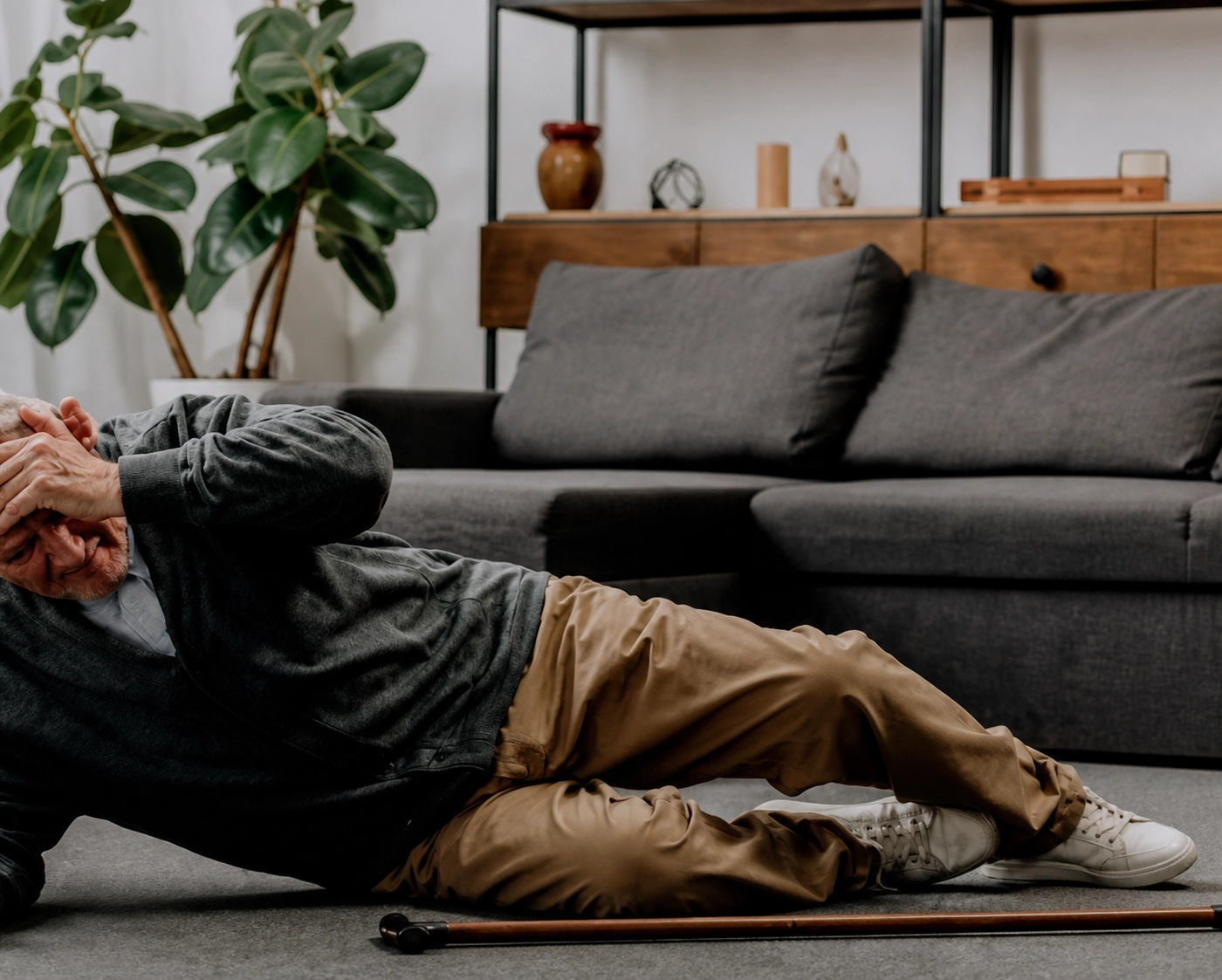
- One of every three people age 65 and older falls each year.
- Falls are the leading cause of injury and accidental death in people over age 85.
- Falls can limit independence and confidence with everyday movement.
A thorough, one-on-one evaluation
Your therapist will listen to your concerns and create a personalized care plan designed to improve strength, mobility, and confidence.
Signs and symptoms of a balance disorder
“Dizziness” can mean different things to different people—from a fleeting feeling of faintness to an intense spinning sensation that lasts a long time.
Unsteadiness
Staggering when you walk, teetering when you stand, falling, or feeling as if you are going to fall.
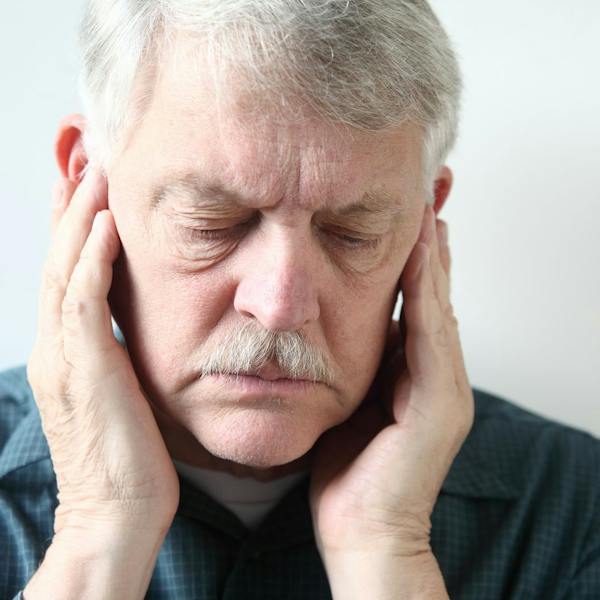
Dizziness or vertigo
A spinning sensation, lightheadedness, faintness, or a floating feeling can all be signs of a balance problem.
Other changes
Blurred vision, confusion, disorientation, nausea, changes in heart rate or blood pressure, and fear or anxiety may also occur.
What can cause balance problems?
Balance problems may be associated with medications, ear infections, head injury, low blood pressure when standing up quickly, or anything that affects the inner ear or brain. Arthritis and eye muscle imbalance can also contribute.
Common diagnoses we work with include central nervous system disorders, neuropathy, age-related balance dysfunction, oculomotor dysfunction, muscle atrophy, nerve injuries, and inner-ear conditions such as BPPV, labyrinthitis, Ménière’s disease, and vestibular neuronitis.
Fall-risk factors
Your risk of falling can increase with:
- Older age
- Vision problems
- Muscle weakness
- Taking four or more medications
- A history of falls
- Medical conditions such as diabetes, arthritis, stroke, walking problems, or fear of falling
How physical therapy can help
Balance and dizziness treatment can be complex, so your care begins with a personalized evaluation. Your physical therapist will assess your fall risk, strength, balance, and medical history, then coordinate care with your referring physician when appropriate.
Movement retraining
Your plan may include coordination, proprioception, strengthening, stretching, range-of-motion, and posture exercises.
Inner-ear and visual training
Treatment can include retraining of the inner ear and visual tracking training. For BPPV, vestibular therapy may include simple repositioning movements such as the Epley maneuver.
Confidence and fall prevention
We address footwear and household hazards such as loose rugs, poor lighting, pets, and obstacles—while helping you build confidence with daily activities.
When should you seek help?
Talk with your doctor and a physical therapist if you feel unsteady, feel the room spinning, lose your balance or fall, feel as if you are falling, experience lightheadedness or blurred vision, or ever feel disoriented.
San Tan Physical Therapy can help increase your strength and coordination so you can lower your risk of falling and return to the activities you enjoy.
Related care at San Tan Physical Therapy
Explore services and conditions that may be part of your personalized plan.

Balance Programs
Build strength, coordination, and confidence through an individualized balance program.
Vestibular Rehabilitation
Specialized care for inner-ear and movement-related dizziness and balance concerns.

Vertigo & Dizziness
Learn more about physical therapy support for dizziness, spinning sensations, and vertigo.